301-605-4086
301-605-4086

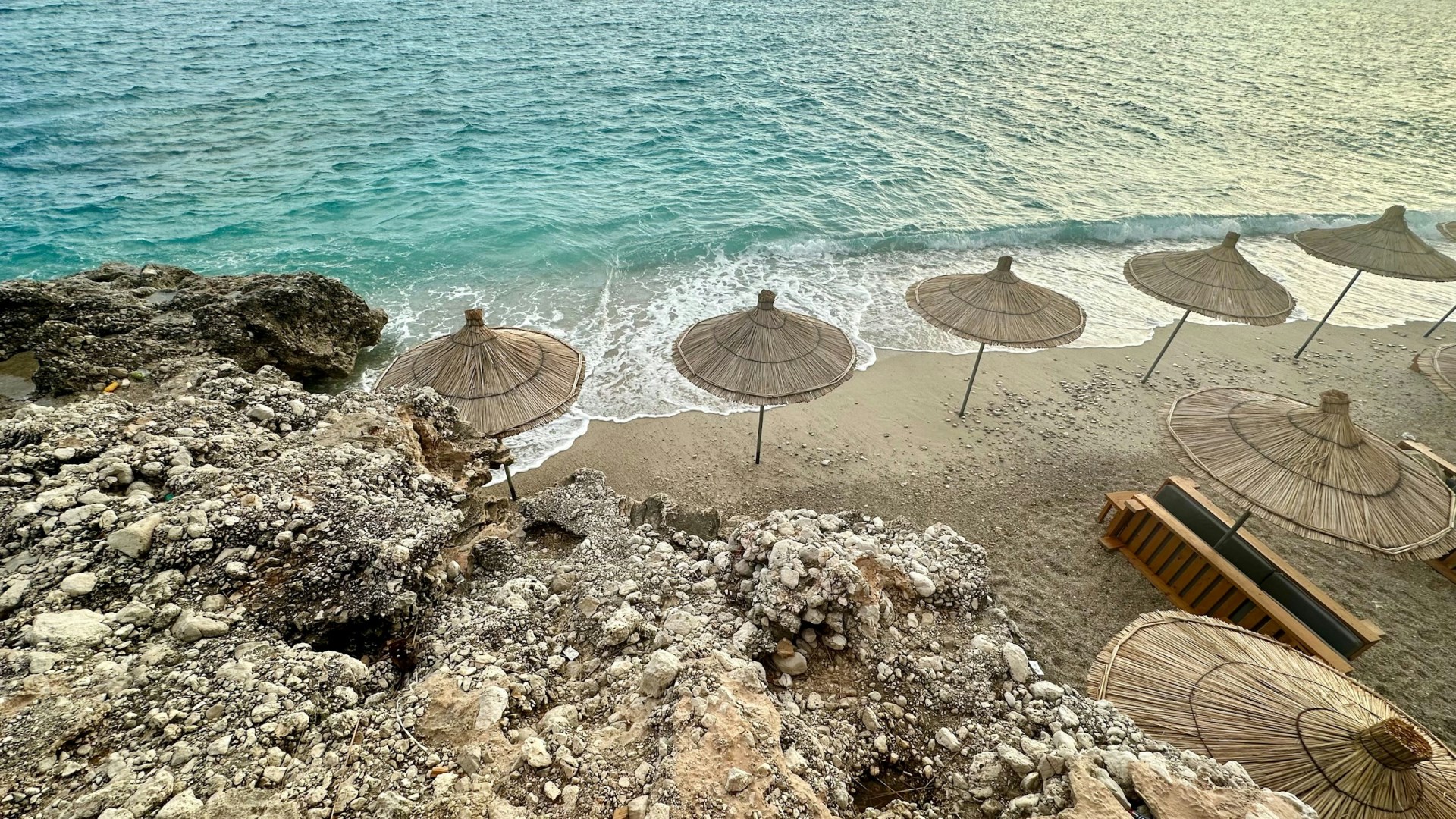
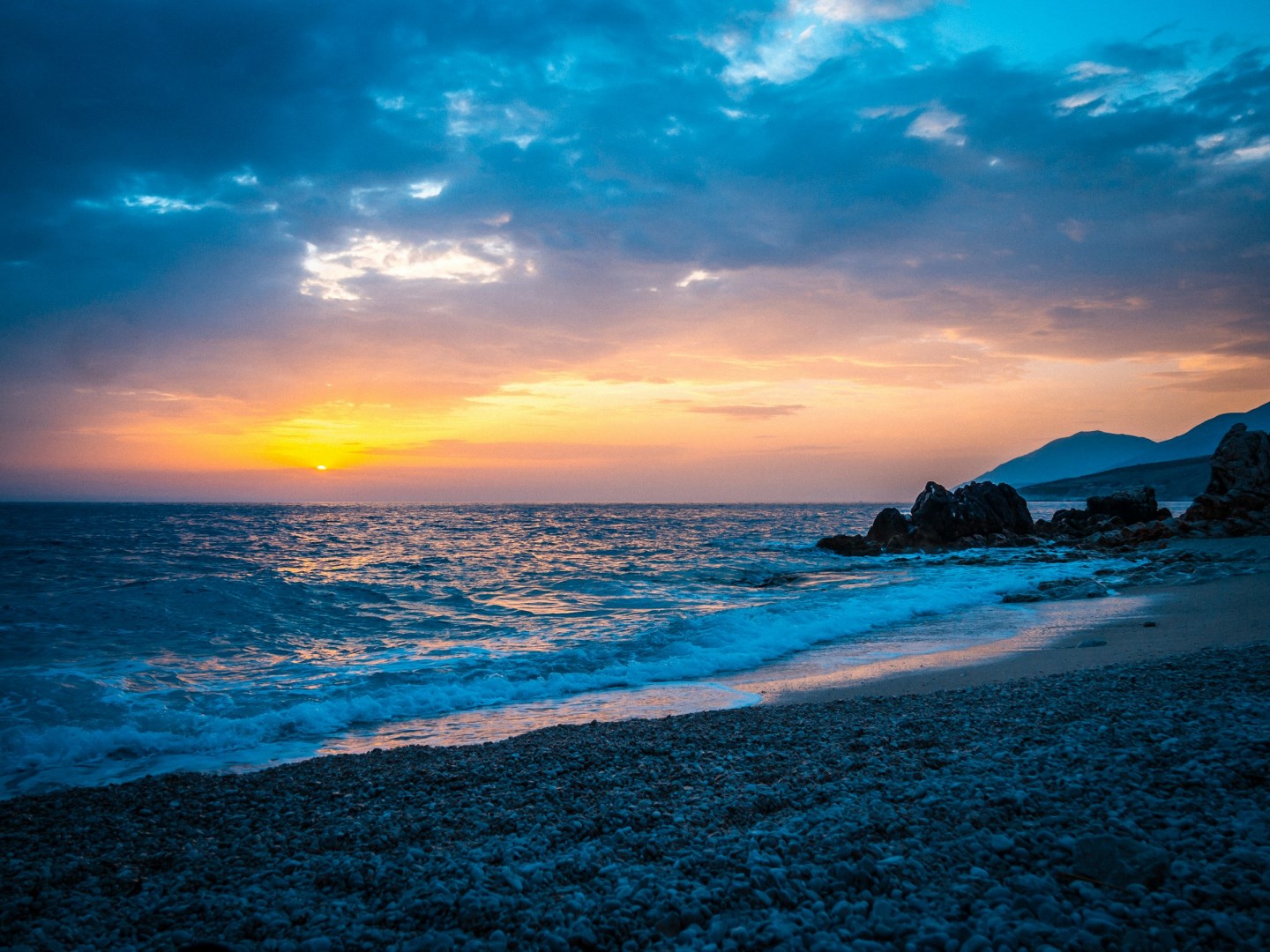
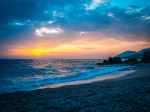
Himare is a coastal town in southern Albania, set along the Ionian Sea between steep mountains and a series of beaches, coves, and rocky headlands. The town is part of the Albanian Riviera and combines a modern waterfront with the older settlement of Himara on a hill above the coast. Olive and citrus trees grow across the surrounding slopes, while the sea shapes much of daily life and local recreation. Beaches around Himare range from broad stretches near the town to smaller coves along the rugged coastline, giving the area a varied coastal landscape.
Himare has a distinct cultural identity shaped by its position between the Ionian coast and the southern Albanian mountains. The Old Himara area contains stone houses, narrow lanes, historic walls, and the Church of St. Mary within the old castle complex. The region is also associated with Labë traditions and Albanian iso-polyphonic singing, a form of group singing recognized by UNESCO as intangible cultural heritage. Local villages such as Vuno, Qeparo, and Dhërmi preserve traditional architecture and religious buildings, while olive growing, citrus cultivation, fishing, and small-scale agriculture remain connected to the area's identity.
The Old Himara Castle occupies a hill overlooking the town and Ionian Sea, with surviving walls, old dwellings, cobbled paths, and the Church of St. Mary within the fortified area. Along the coast, Himara Beach and nearby Livadhi, Potami, and Jale provide different settings for swimming and boating. South of town, Porto Palermo forms a sheltered bay overlooked by the triangular Porto Palermo Castle, built by Ali Pasha of Tepelena. The surrounding coast also includes secluded areas such as Gjipe Bay and Grama Bay, where steep terrain meets the Ionian waters.
Food in Himare reflects the area's coastal and agricultural setting, with fresh fish and seafood commonly appearing alongside olive oil, citrus fruit, vegetables, herbs, and locally produced dairy. Traditional cooking in the wider Himara area also draws on the resources of the surrounding mountains, where livestock and small farms contribute meat, cheese, and other ingredients. Olive groves and citrus orchards are common around the town and nearby villages. A distinctive local feature is Himara's regional dialect, which forms part of the area's cultural identity and differs from standard Albanian in vocabulary and pronunciation.